Konfiguracja klienta Viscosity z OpenVPN
Compatible Nitrokeys |
|||||||
|---|---|---|---|---|---|---|---|
✓ active |
⨯ inactive |
⨯ inactive |
✓ active |
⨯ inactive |
✓ active |
✓ active |
⨯ inactive |
This guide will show to configure Viscosity client to connect to an OpenVPN instance, using a Nitrokey Pro 2 (or Nitrokey Storage 2), and PKCS#11 authentication.
Wymagania wstępne
Do tego poradnika potrzebny jest zdalny serwer OpenVPN zainstalowany i skonfigurowany dla klientów. Na potrzeby tego dokumentu użyliśmy OpenVPN 2.49 zainstalowanego na serwerze Debian 10.
To read about how to configure OpenVPN to authenticate with Nitrokey Pro, you might consult the following documentation, as we will just cover the way to configure the Viscosity client in this guide.
Potrzebne będą również następujące elementy:
Nitrokey Pro 2 lub Nitrokey Storage 2
Client’s private key
client.keyloaded on the NitrokeyClient’s certificate
client.crtloaded on the NitrokeyThe Certificate Authority file, i.e.
CA.crtfile used for your OpenVPN setupOptional: The shared secret key file, i.e.
ta.key
For more information on PKCS#11 key management with OpenVPN, please consult OpenVPN’s documentation.
Zastosowanie
Start Viscosity and create a new connection “OpenVPN” (you can name it as you wish)
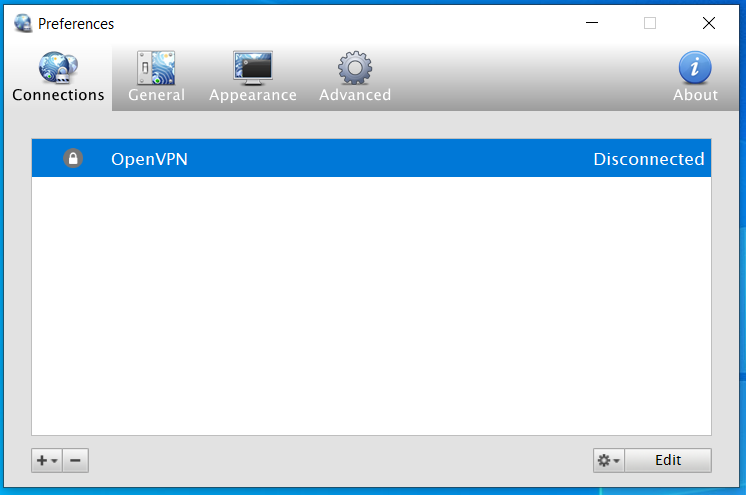
Kliknij prawym przyciskiem myszy na połączenie i kliknij edytuj
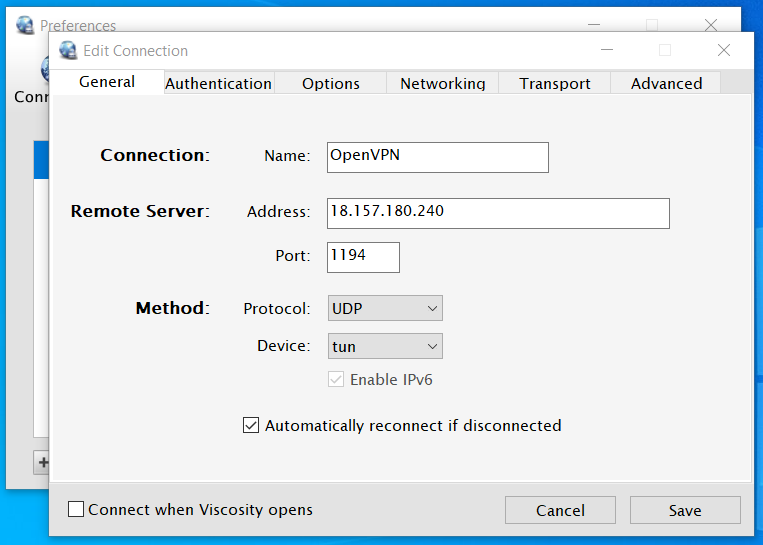
Add your server’s IP address and configure the port according to your configuration.
W sekcji uwierzytelnianie, w
Typeprzewiń w dół doSSL/TLS Client (PKCS11).Wybierz plik CA dla swojego połączenia
Opcjonalnie: Wybierz
ta.keyw sekcjiTLS-Auth.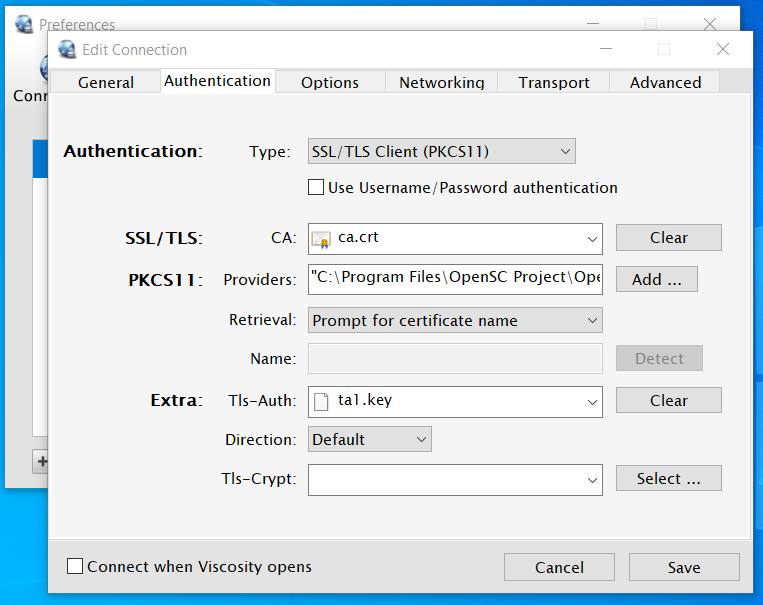
Kliknij przycisk Add (Dodaj) obok pola Providers (Dostawcy) i wybierz moduł
PKCS#11dla Twojego Nitrokey. Można podać wielu dostawców, dla przykładu użyjemyOpenSC.On macOS, the most common location for modules to be found is in the
/usr/libdirectory. Please refer to the documentation included with your driver software for the location to use. OpenSC’s module can be found at/Library/OpenSC/lib/opensc-pkcs11.so.On Windows, the most common location for libraries is either in
C:\Program FilesorC:\Windows\System32. OpenSC libraries are generally located atC:\Program Files\OpenSC Project\OpenSC\pkcs11. There may be more than one library available here, you can try each one or simply add both.Wybierz metodę odzyskiwania z menu rozwijanego Odzyskaj
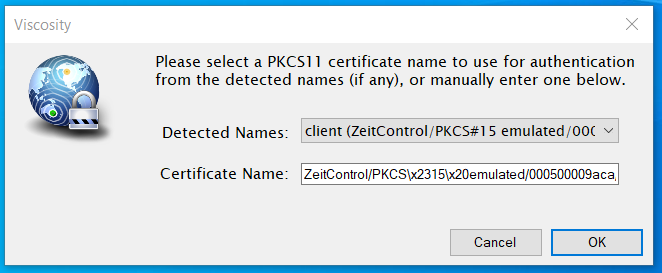
Jeśli na tym komputerze będzie używany tylko jeden klucz Nitrokey, wybierz
Use certificate name below. Jeśli Nitrokey jest obecnie podłączony do komputera, kliknij przyciskDetect, aby Lepkość automatycznie wypełniła pole Nazwa. W przeciwnym razie pole to może zostać wypełnione ręcznie.If in doubt, or if more than one Nitrokey may be used (i.e. multiple users), then select
Prompt for certificate name.
Jeżeli wybrano
Prompt for certificate name, program Viscosity automatycznie wykryje wymagany klucz na Nitrokey, używając określonego(-ych) modułu(-ów) PKCS#11. Wybierz dowolne ze znalezionych urządzeń lub wprowadź nazwę urządzeniaserialized id, którego chcesz użyć ręcznie. Ponownie, użytkownik powinien zostać poproszony o podanie hasła/PIN, jeśli jest to wymagane.Kliknij przycisk Zapisz i połącz się z głównego interfejsu.
Referencje
Uwagi
Viscosity nie jest darmowa, a zatem możesz napotkać problemy w korzystaniu z darmowej wersji.
Rozważamy użycie Pritunl jako wolnej i otwartej alternatywy.